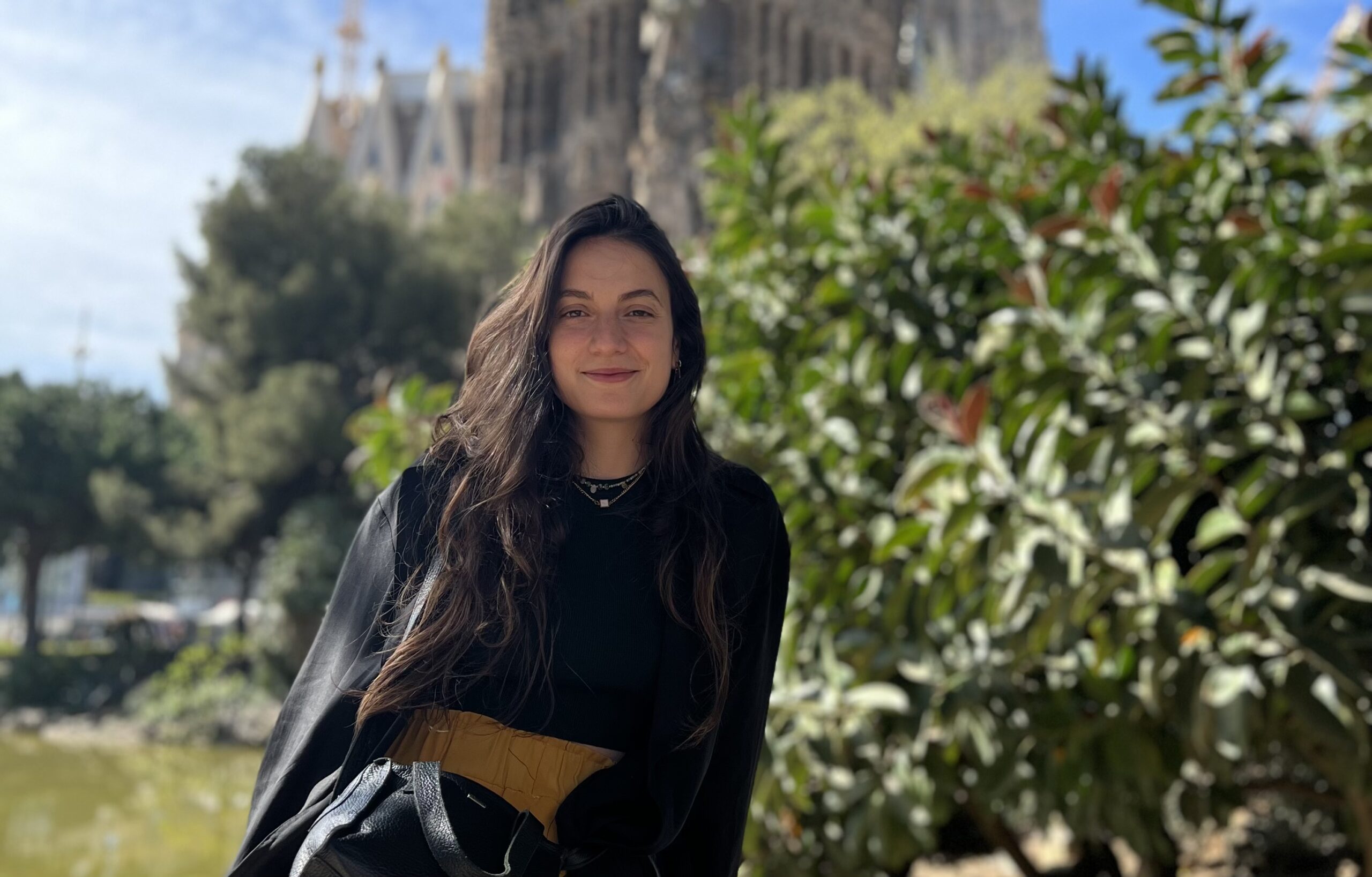
Our Staff Spotlight series continues with Thaiza Romano, who joined our team in November 2024 as a Case Manager. Thaiza is based in Luxembourg City and is a Brazilian-Luxembourger — though her path to dual nationality looks very different from that of most of our clients.
She speaks five languages, studied international relations across Spain and Portugal, and came to LuxCitizenship first as the voice of our documentary film before moving into case management. She’s the one many of our clients hear from in the early stages of their case, when the ancestor’s birth certificate still has to be tracked down and the family tree is just starting to take shape.
— Daniel Atz, Founder
Where are you from?
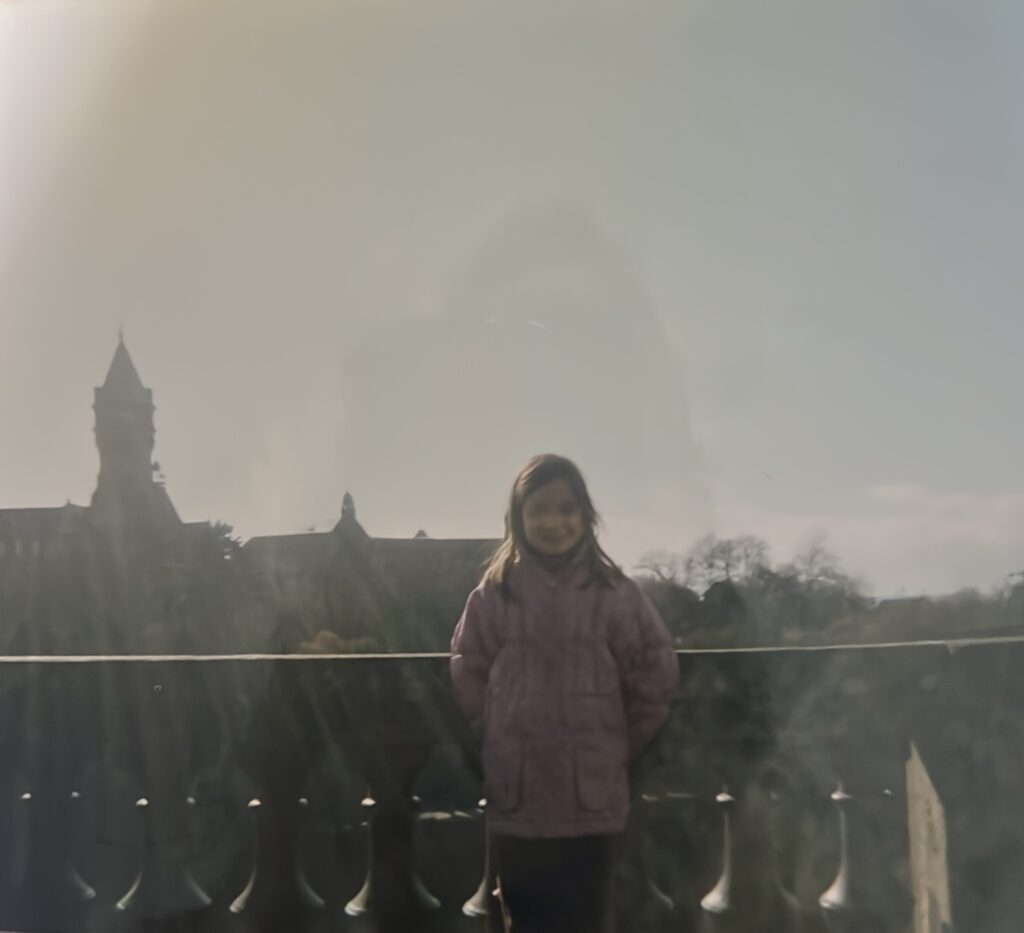
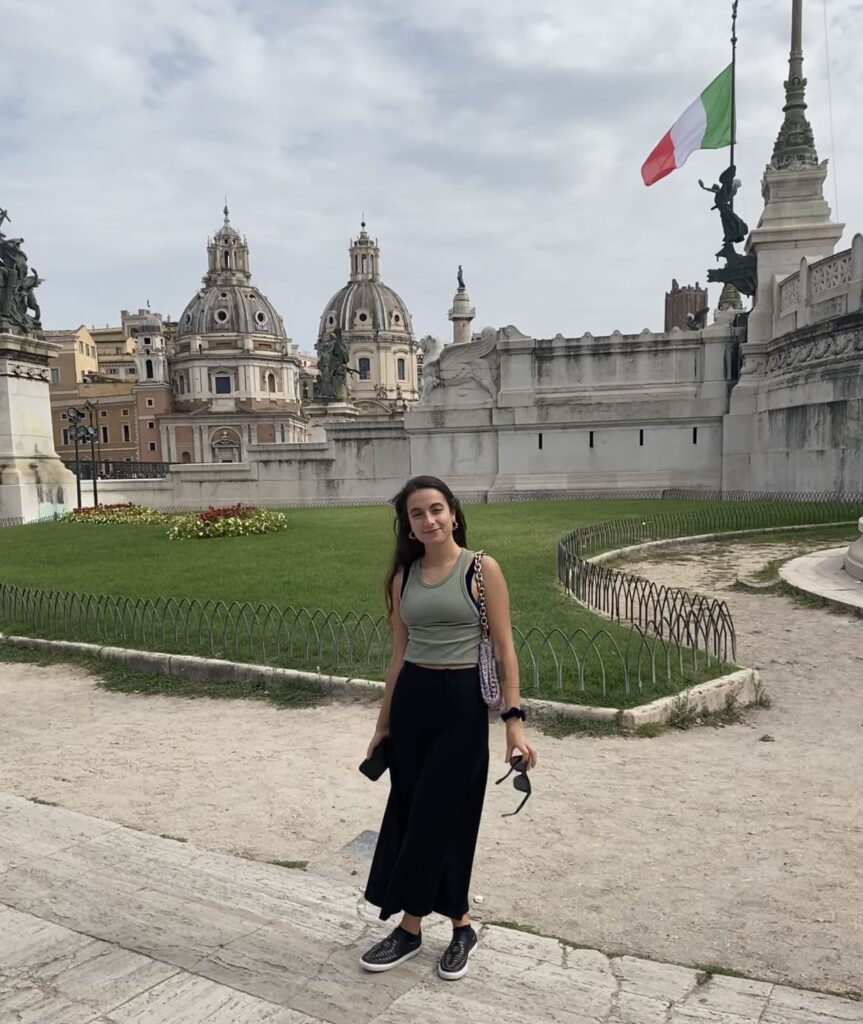
I’m from Brazil, and I’ve lived most of my life in Luxembourg City. My path has zigzagged between the two countries more than once. I started primary school in Luxembourg, spent part of my teenage years back in Brazil, came back to finish high school in Luxembourg, and then went to Spain and Portugal for university. After that, I moved back to Luxembourg — which is where I eventually found LuxCitizenship. So by the time I’d settled into adult life, I’d been through several school systems in several countries. My roots are in both Brazil and Luxembourg.
How did you become a dual citizen?
Most of our clients reclaim their Luxembourgish citizenship through an ancestor. I got mine a different way. Luxembourg offers a path to citizenship for people who have spent a certain number of years in its school system, and I qualified under that route. I applied the moment I turned 18, in 2017. Two months later, my paperwork arrived, and I got my passport and ID almost right away. It was one of the quickest and least complicated processes I could have gone through — a matriculation record from each of my schools, an ID, a background check from Luxembourg, and that was basically it.
The rules have narrowed since then. A friend of mine tried applying recently on the same basis and was turned down, because his high school isn’t considered a Luxembourgish school under today’s definition. Certain international and francophone tracks don’t count anymore. I was happy to go through when I did.
What languages do you speak?
All three official languages of Luxembourg — Luxembourgish, French, and German — plus Portuguese, which is my mother tongue, and English, which I picked up in school and then used through university. I also understand Spanish, even though I don’t speak it.
Luxembourg has a complicated school system. Can you walk us through what growing up in it was like?
It’s hard to explain to people who didn’t grow up there. Primary school works like a normal primary school, except everything is in German at first. You learn to read and write in German. In third grade they start introducing French, and around fifth grade they add English. So by the time you finish primary school, you’re already working in three languages.
At the high school level, there are three tracks. The first two — classique and technique — both lead to university, but they work very differently. In classique, most subjects are taught in French. In technique, most are taught in German. Classique is considered a bit more demanding, especially for students planning to study the sciences. Even the grading systems are different: I think in classique you lose 1.5 points for every mistake on a paper, and in technique you only lose one. And then there’s a third track, modulaire, which is more vocational.
So even within one small country, depending on which track you pick, your entire high school experience — the language of instruction, the grading, the subjects, the university paths available to you — changes significantly.
What was your experience moving through those systems?
When I came back to Luxembourg from Brazil at 12, I went into a technique section at first. But I realized pretty quickly that my German wasn’t at the level of my classmates — I’d missed a few years — and I was going to struggle to catch up. I also already knew I wanted to study in English at university, which meant I needed a stronger English foundation than the technique was going to give me.
Honestly, I also found the Luxembourgish system a bit rigid. Coming back from Brazil, where school felt freer and more expressive, I felt like there wasn’t as much space for students to put themselves into their work. A lot of it felt scripted. I remember being 13 and learning poems by heart — fine when you’re a child, but I was already thinking about what I actually needed to get where I wanted to go.
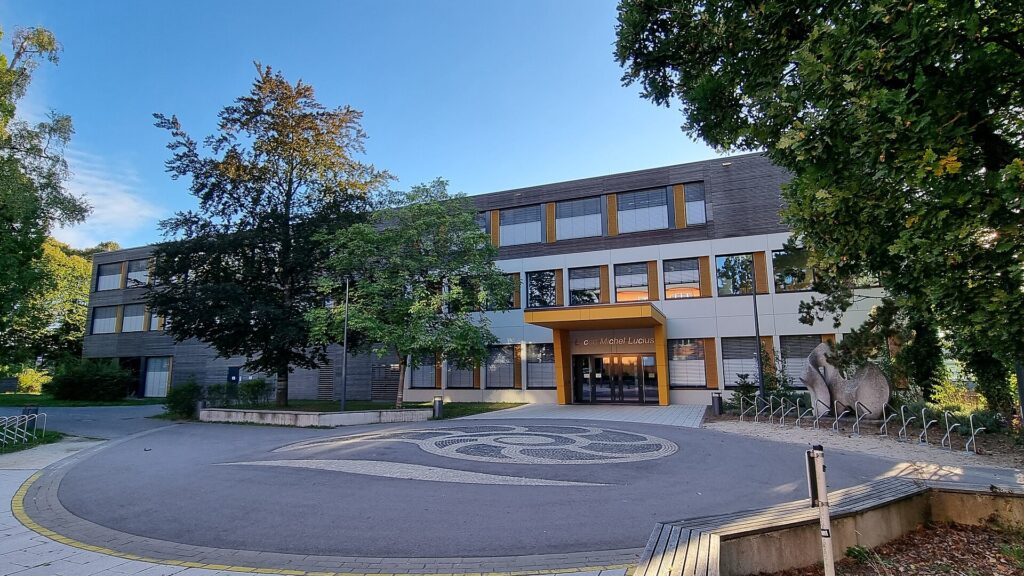
So I started looking for another option. A consultant at the Ministry of Education walked me through all the schools available, and that’s how I found out about a new international section at Michel Lucius, which had just opened around that time. I took the entry exam, passed, asked my mother if she thought it was a good idea, and enrolled.
What was different about the international section?
Freedom, mainly. In the Luxembourgish system, once you get past ninth grade, you basically pick a section — languages, or business, or sciences — and from that point on you only take subjects within that track. I didn’t want to limit myself that way, and nothing quite fit what I wanted to study anyway. In the international section, I could choose my own subjects. I could take math and history and geography alongside things like business psychology and business geography — subjects that built a much better foundation for what I eventually wanted to study at university.
It wasn’t perfect. The section had just opened, so the teachers themselves were still figuring
out how to grade papers in a new system. There was a messiness to it. But for what I needed, it was the right call. A lot of my friends went through the Luxembourgish system and came out just as happy — it simply wasn’t the right fit for me.
What did you study at university?
International relations, with a focus on diplomacy and area studies. I did my undergrad across Spain and Portugal. Then I started a master’s in the same field, but I started getting a more realistic picture of how hard it would be to break into the career I’d been imagining — given my networking, my background, and the honest feedback I was hearing from people working in diplomacy. I decided I’d rather get real work experience than keep piling on more school. That’s what eventually led me to LuxCitizenship.
How did you find us?
Through LinkedIn, of all places. I was following a few Brazilian embassy and consulate pages, and one of them reshared a LuxCitizenship post. I didn’t know a company like this existed. I thought it was really interesting that there was a service helping people reclaim Luxembourgish citizenship through ancestry, so I started following the page. A couple of months later, a job ad came up — but my first role with LuxCitizenship wasn’t case management. It was the film.
Tell us about the film.
I was the Luxembourgish-language narrator of our documentary about Luxembourgish emigration to Argentina. That’s actually how Daniel and I first met — before I ever joined the team, I came in to record voiceover. The content itself got me emotional. The history of the Luxembourgish school in Rosario, the villagers there who had kept the founders’ memory alive across generations, the people interviewed for the film — all of it stayed with me for a long time afterward.
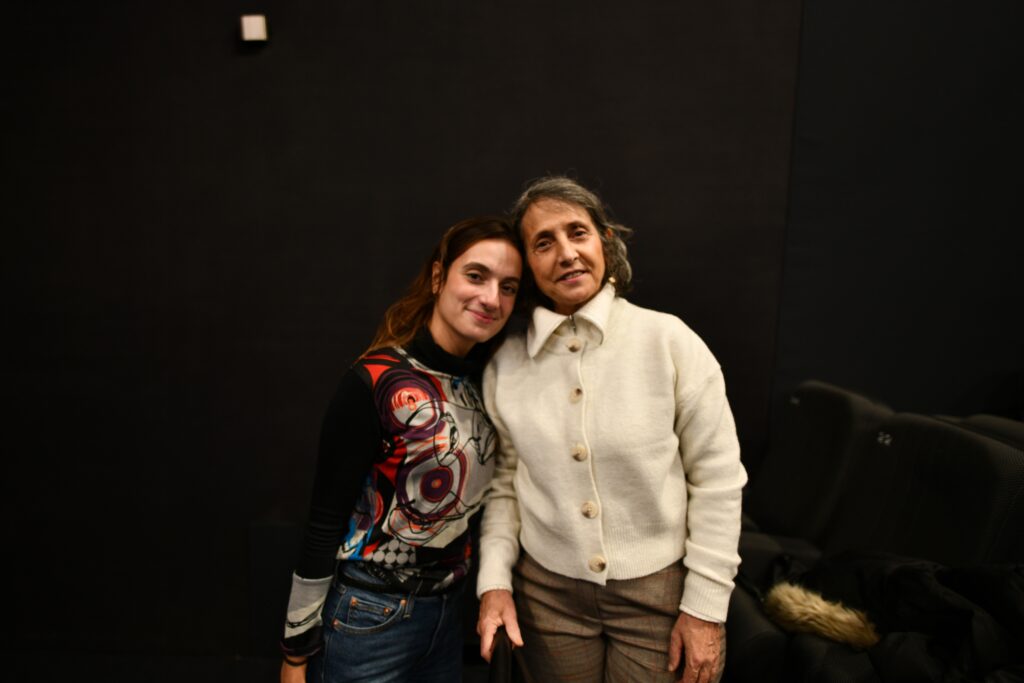
Going to the premiere with my mother was one of the best feelings. She isn’t someone who gets emotional easily, and she was beaming the whole night. If there’s ever another film, I’d sign up in a heartbeat.
What do you do now as a Case Manager?
I’m the second person a client hears from after they sign up with us. My job is to carry them through the first stage of their case — locating the ancestor’s birth certificate, building out the family tree, and advising them on where and how to obtain all the other records they’ll need. I get on calls with clients to explain the process, or to help them work through problems with specific documents. When a record can’t be found, I help look for alternatives.
I also produce genealogy reports for people who want to find out whether an ancestor was actually Luxembourgish in the first place. And I review parts of Phase 2. So I’m mostly focused on the beginning of a case, but I keep track of files all the way through — who’s what, which contracts are expiring, what needs to happen next. Once a client’s file is ready and reviewed, it passes to my colleague Barbara, who picks it up from there.
What kinds of cases stand out to you?
The detective work is what I love most. When a record isn’t where anyone expected it to be, that’s when the job gets interesting. We hear extraordinary stories along the way — grandparents who met during or after World War II, families that moved through multiple countries before settling, records held in unlikely places. One case I worked on required retrieving an ancestor’s birth certificate from a concentration camp. Another involved a client whose eligibility looked impossible at first because of a gap in the family line — and through patient research, we worked out a path forward.
Those are the cases that stay with me. You start out thinking something is hopeless, and then piece by piece you find the record that unlocks it. That’s a really good feeling.
Clients sometimes arrive overwhelmed, because what they’re facing looks like a huge problem from the outside. Often the solution is actually straightforward once you know where to look. Being able to calm someone down and walk them through it is a meaningful part of the job too.
What’s it like working with your colleagues?
We’re a team spread across Luxembourg, Brazil, and the United States, and honestly, we talk constantly. We’ve built a really good flow of communication. We trust each other, we share what we’re working on, we update each other on difficult cases, and we genuinely look out for each other. Even though we’re each handling different parts of a client’s journey, somehow everyone kind of knows what’s going on with every file.
That sense of trust is rare, and I really value it. It’s a team I’m happy to be part of.
Thaiza works from Luxembourg City and is one of the first people our clients hear from after signing up. If you’re at the early stage of your case — still tracking down records, still building the family tree, still figuring out where your ancestor fits — there’s a good chance Thaiza is the one guiding you through it.
For more information about the LuxCitizenship team, please visit our About Us page.