

Before looking at the details of your Luxembourgish lineage, your ancestor must first meet two qualifying criteria. Both are about the ancestor themselves, not about how their citizenship traveled down to you.
Your specific path to Luxembourg citizenship through ancestry not only determines the Article of eligibility, but your application process, necessary paperwork, and if travel is required. Below you will find an introduction to each article and its requirements.
Citizenship in Luxembourg historically passed automatically from father to child, which is why a qualifying lineage is almost strictly all-male. That changed on January 1, 1969, when the law was amended to let women pass citizenship to their children as well.
In cases with a female ancestor in the lineage, the date that matters is the child's birth, not the mother's. If a woman in your lineage has an all-male lineage to Luxembourg and her child was born after January 1, 1969, citizenship was passed to the next generation, and would remain unbroken. This works at any generation (example: a grandmother whose child was born after the cutoff carries it forward the same way).
Because Article 7 is making a request for proof of citizenship you have held since birth, the application is handled entirely by mail with no trip to Luxembourg.
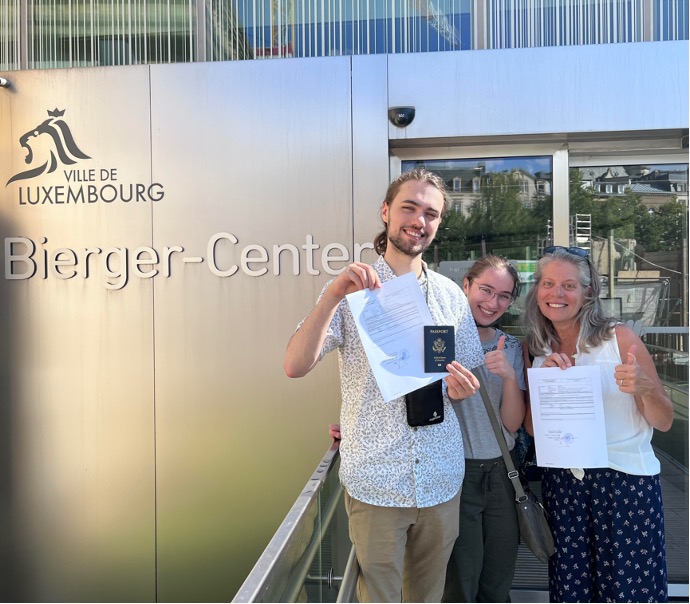
Unlike Article 7, Article 23 does not focus on the gender of each of your ancestors in your lineage. Instead, it allows you to make a declaration of Luxembourg citizenship as long as you have an ancestor within two generations who is or was a Luxembourg citizen.
This path primarily allows those with female ancestors, or others who could not have citizenship automatically passed down to them, to make a declaration for Luxembourg citizenship. This path does require a brief trip to Luxembourg to submit paperwork.
If you are not eligible to apply through Articles 7 or 23, don't lose hope! The Article 7/23 Combination Process has allowed thousands of otherwise ineligible individuals to apply for Luxembourg citizenship through ancestry.
Example: Your grandmother has an all-male lineage to your family's Luxembourg ancestor, but because your mother was born before January 1st, 1969, she did not automatically receive Luxembourg citizenship from your grandmother. This path, while it does require travel to Luxembourg, allows you to request recognition of your grandmother's citizenship (through Article 7) and then apply for citizenship yourself (through Article 23).
Article 89 was the original path to Luxembourg citizenship by ancestry. It closed to new applications on December 31, 2018. That leads some people to mistakenly assume Luxembourg citizenship is no longer possible. However, that closure, and the final December 31, 2025, deadline for applications already in progress, does not affect the three open pathways described above.
Use our free Eligibility Tool to check your eligibility to apply for Luxembourg citizenship through ancestry. Results are delivered to your email instantly, with no commitment required.
Family history and emigration is complicated, which means many of our cases don't fit a perfect mold. It is important to keep in mind a number of other factors that can impact your eligibility to apply for Luxembourg citizenship through ancestry.
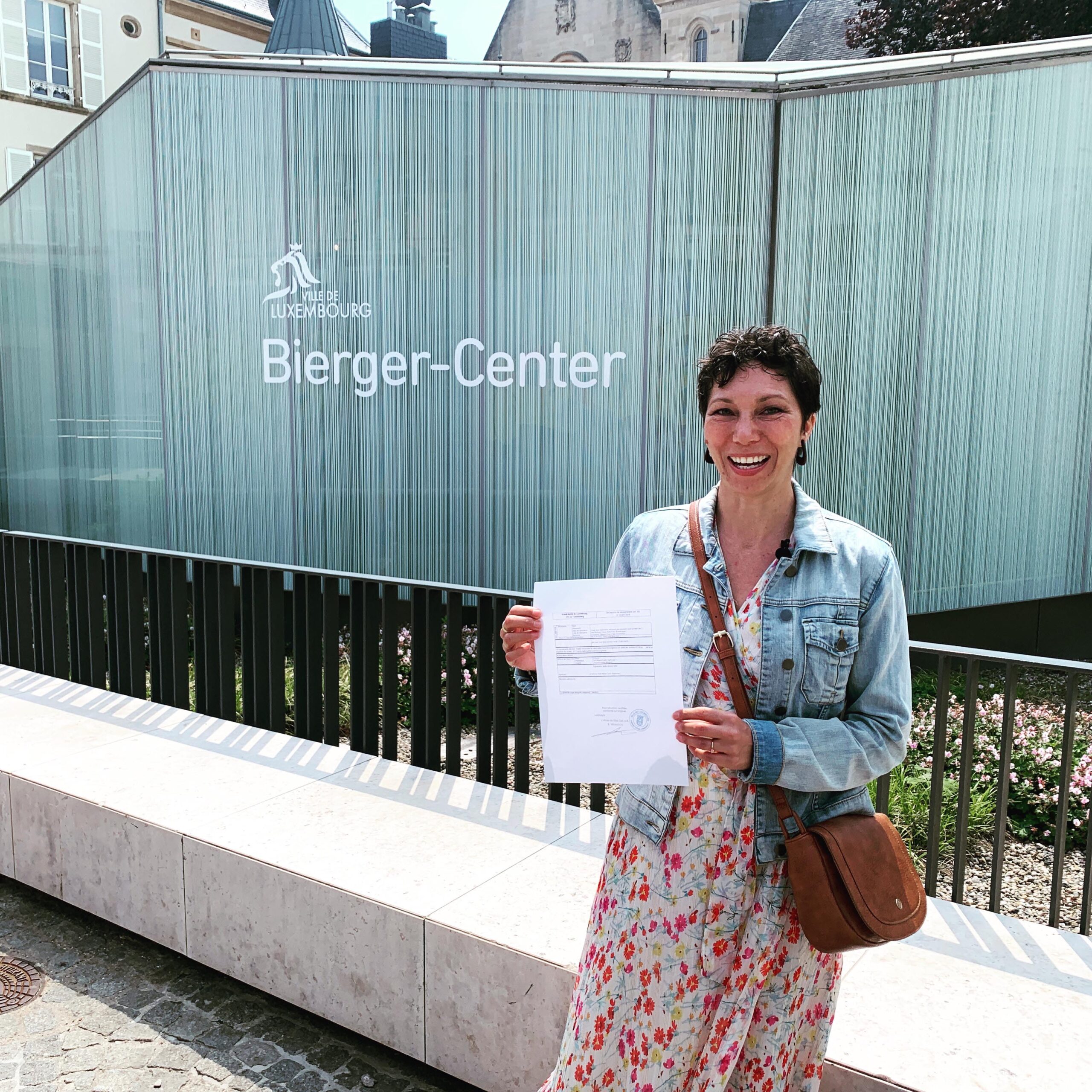
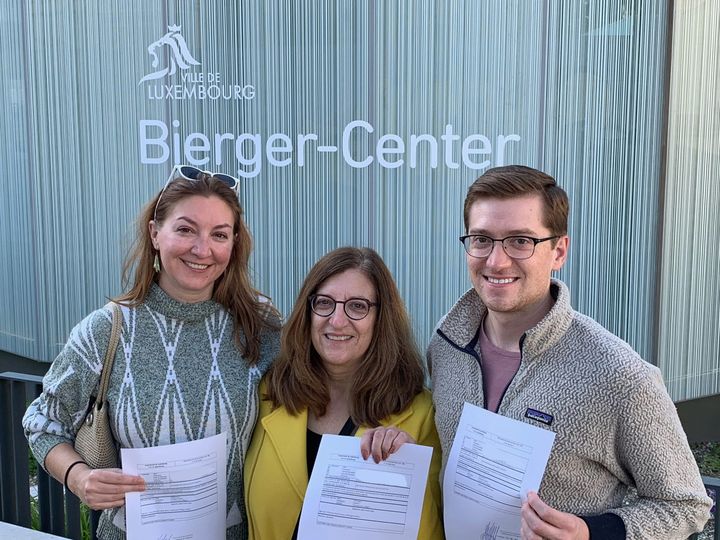
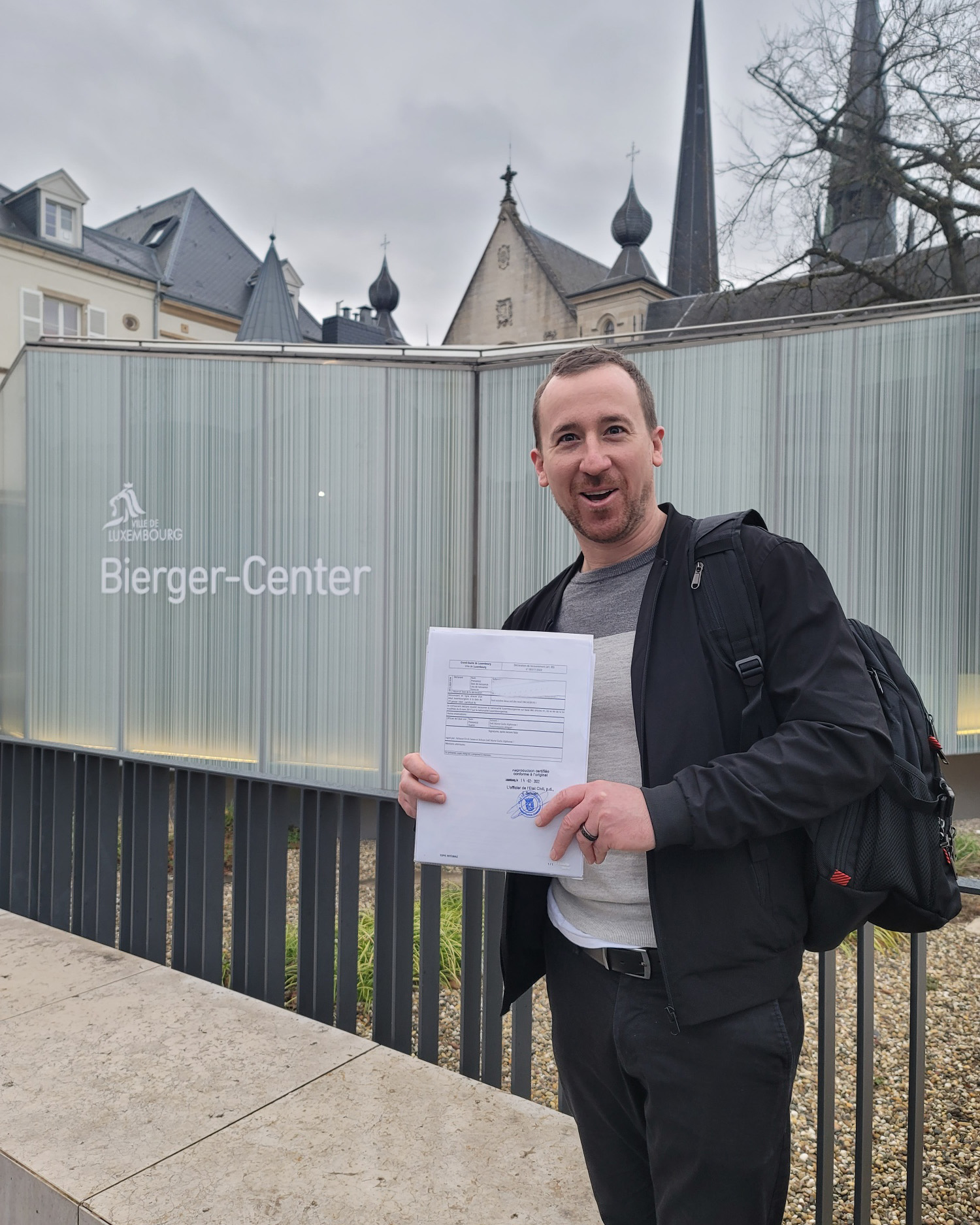
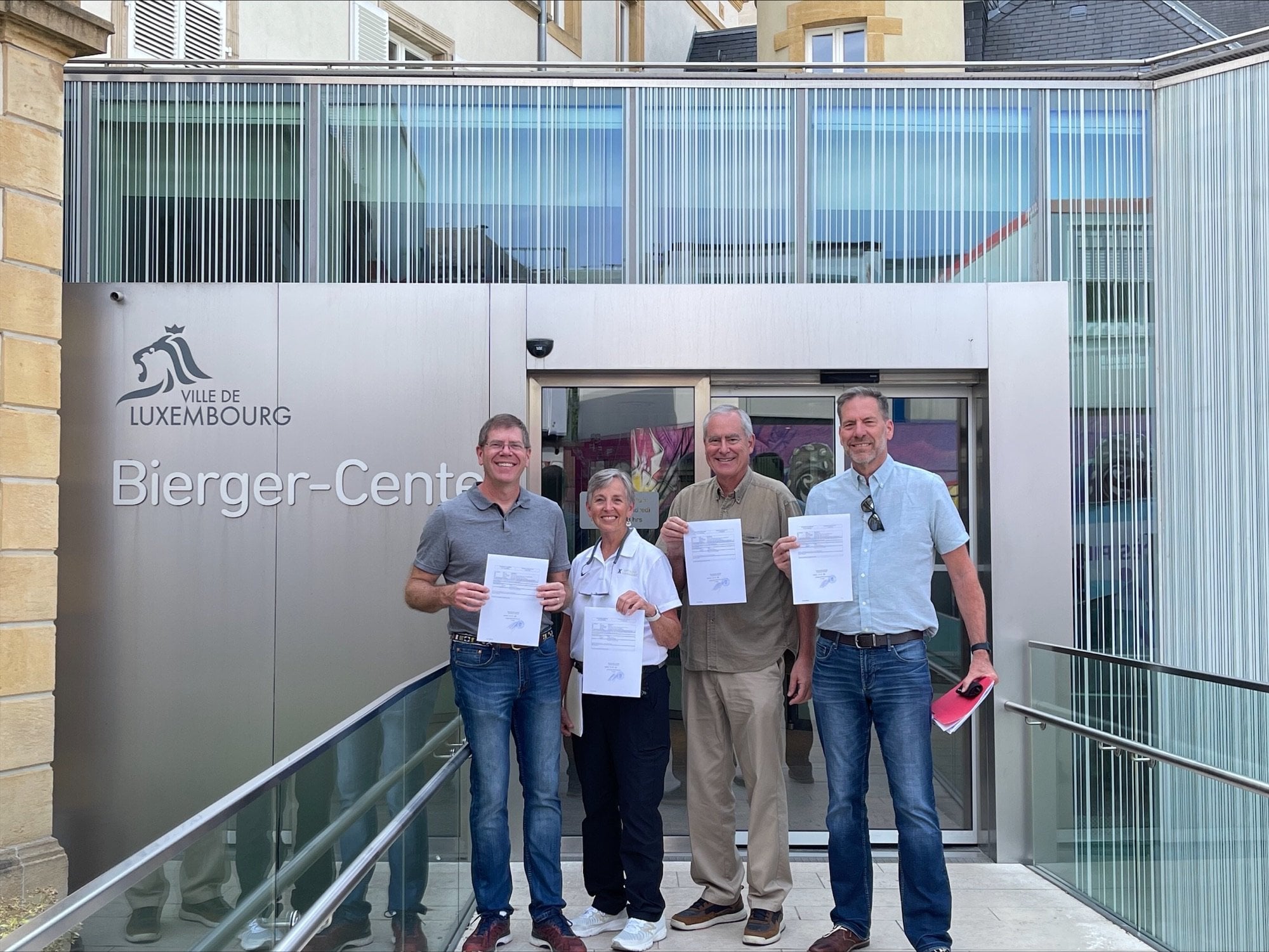
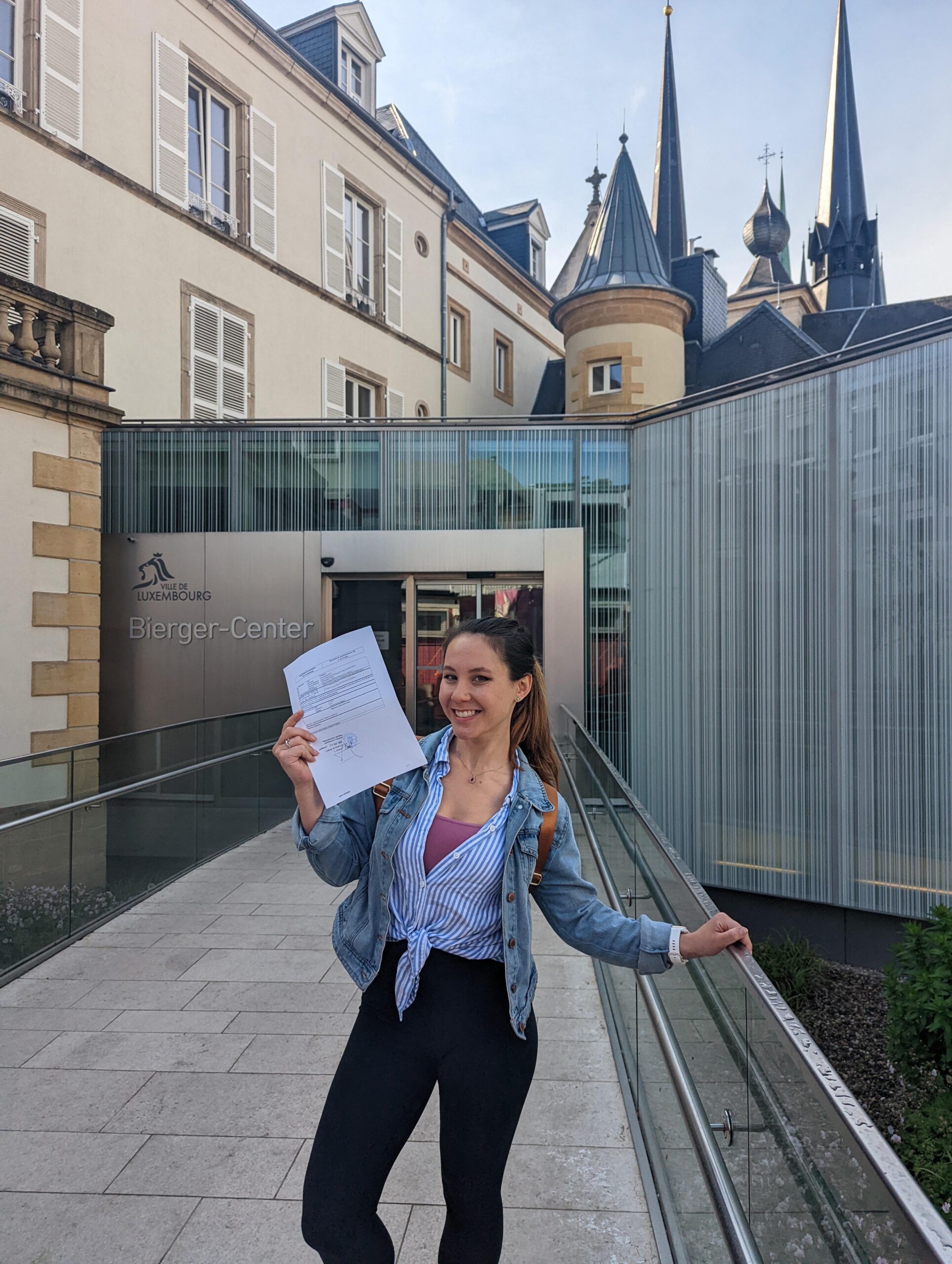
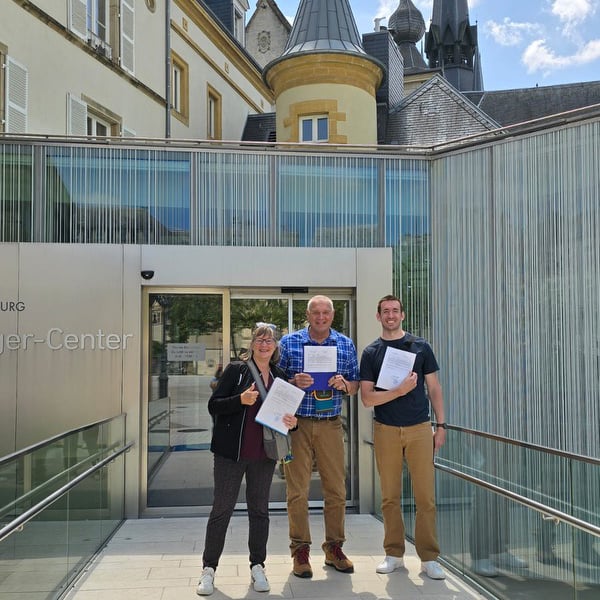
We have processed over 3,000 successful Luxembourg citizenship applications. Here is what we bring to the table.
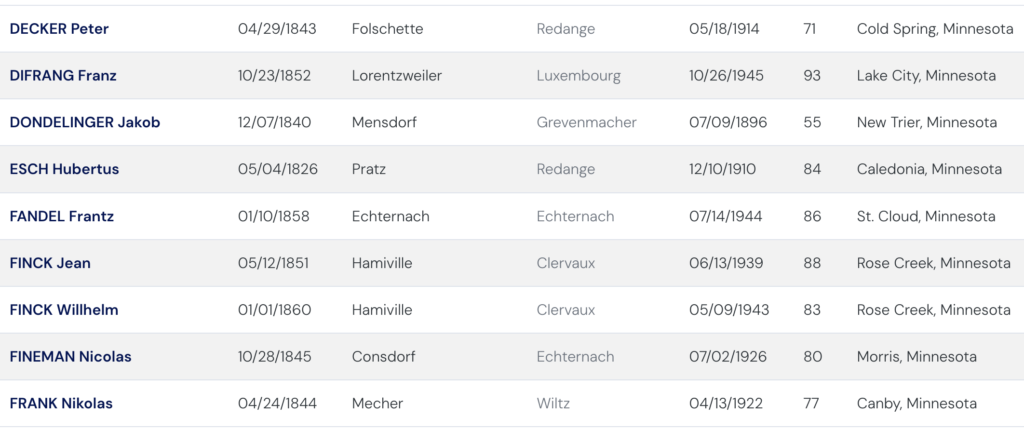
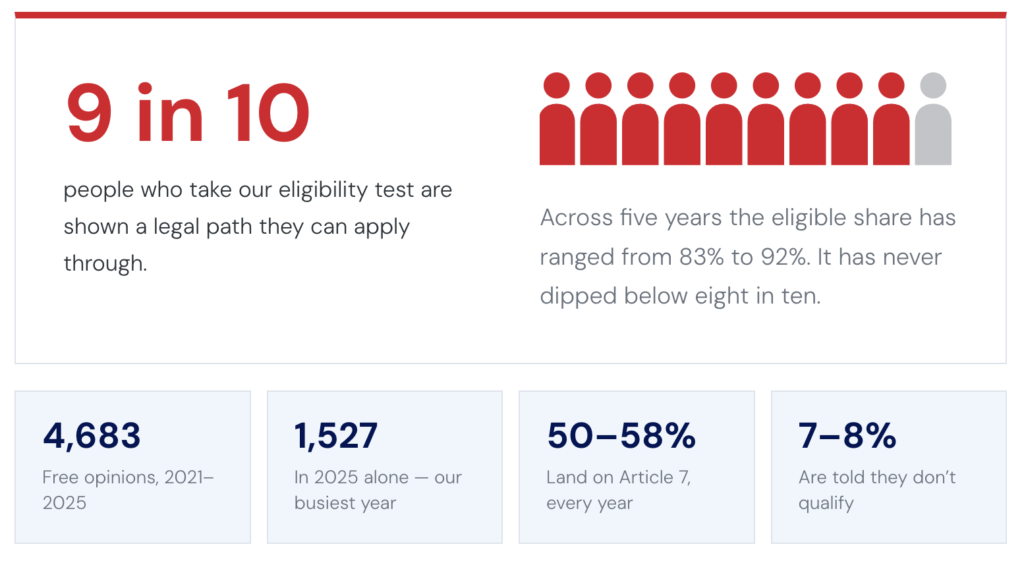
Most people who reach out had no idea that Luxembourg citizenship through ancestry was possible, let alone that they might qualify. We analyzed five years of eligibility opinions to estimate how many descendants of Luxembourgers may still have a route available to them.
We work with individuals and families claiming Luxembourg citizenship through ancestry, with guidance built around each family's specific circumstances. Because that service is personalized, our capacity is genuinely limited, and during busy periods we prioritize by case criteria.
If we're at capacity when you reach out, we'll add you to the waitlist and contact you as soon as we can take the case on.